Can an Emergency Dentist Save a Loose Adult Tooth?
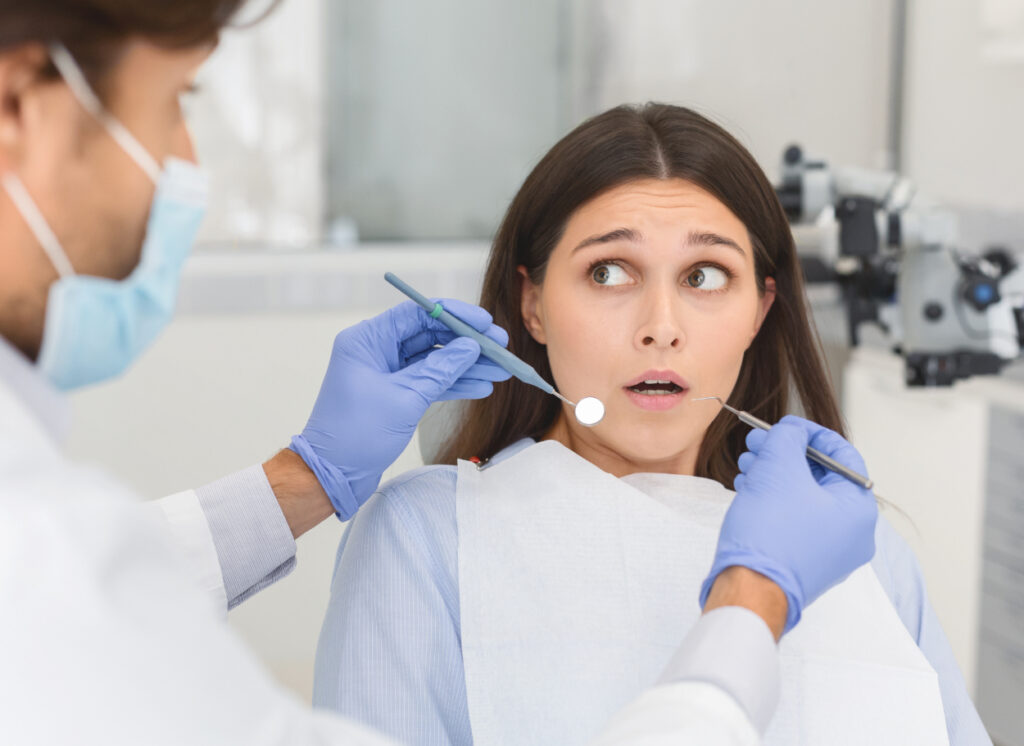
A loose adult tooth can feel oddly unreal at first. Most people expect this with a baby tooth, not with a permanent one that has been in place for decades. Then the panic sets in. You test it with your tongue, notice movement when you bite down, and start wondering whether that tooth is already lost.
Sometimes it can be saved. Sometimes it cannot. The outcome depends less on the fact that the tooth is loose and more on why it became loose, how much support remains around it, and how quickly you get it assessed. That is where an Emergency Dentist can make a meaningful difference. In the right situation, same-day care can stabilize the tooth, reduce further damage, and improve the odds that it stays in your mouth.
I have seen people wait because the tooth did not hurt much, only to arrive days later with far fewer options. I have also seen patients come in within hours after a sports injury or a hard fall, and that quick action gave us a real chance to save a tooth that would otherwise have been lost. Timing matters, but so does accuracy. A loose tooth from trauma is a different problem from a loose tooth caused by gum disease, and the treatment path is not the same.
What a loose adult tooth usually means
An adult tooth should not move. There is a tiny amount of natural flexibility in every tooth because it is suspended in the bone by the periodontal ligament, but that is not movement you would normally notice. If you can feel the tooth shift with your finger or tongue, something has changed in the supporting structures.
Those supporting structures include the gum tissue, the periodontal ligament, the root surface, and the surrounding jawbone. If one or more of those tissues have been injured or weakened, the tooth can become mobile. In practice, the most common causes are trauma, gum disease, infection, heavy bite forces, and root fracture. Less often, a loose tooth appears during orthodontic movement, after a recent dental procedure, or in the setting of advanced bone loss from long-term inflammation.
The big question is whether the attachment apparatus is damaged in a way that can heal. A tooth that has been slightly displaced by trauma may tighten again after repositioning and splinting. A tooth that is loose because half the surrounding bone has been lost over years of periodontal disease is a different case. It may still be treatable, but the goal shifts from quick rescue to long-term stabilization, infection control, and an honest discussion about prognosis.
When an Emergency Dentist can help most
Emergency dental care is especially valuable when the looseness happened suddenly. A tooth that became mobile after a blow to the mouth, a car accident, a fall, or biting into something unexpectedly hard needs prompt evaluation. Teeth can be pushed out of position, partially dislodged, or cracked below the gumline. The sooner the tooth is repositioned and protected, the better the chances of preserving the ligament cells and reducing complications.
Even when the cause is not trauma, an Emergency Dentist can help determine whether the situation is urgent. Sometimes the tooth is loose because an abscess has built pressure around the root. Sometimes severe gum inflammation has flared up around an already compromised tooth. Occasionally the patient thinks the tooth is loose, but the real problem is a fractured crown or a broken filling that makes the tooth feel unstable.
A same-day visit is not just about comfort. It is also about diagnosis. The dentist needs to check how much the tooth moves, whether it is displaced, whether the bite is hitting it prematurely, whether there is swelling or pus, whether the pulp may be injured, and whether the bone around it still offers usable support. X-rays are often necessary, and in some cases a three-dimensional scan is the only way to see a fracture that standard films can miss.
The cause determines the odds
It helps to think of a loose adult tooth as a symptom rather than a diagnosis. The word “loose” describes what you notice. It does not tell you whether the problem is reversible.
If trauma caused it
Trauma cases can sometimes have surprisingly good outcomes, especially when the tooth is only mildly mobile and has not been avulsed, meaning completely knocked out. If the tooth has been pushed sideways or partially out of the socket, an Emergency Dentist may be able to reposition it and place a splint. A splint is usually a small stabilizing device bonded to neighboring teeth for a short period, often around two weeks, though the exact timing depends on the injury.
The age of the patient, the type of injury, and the condition of the root all matter. A healthy adult with a single loose front tooth after a sports collision has a better outlook than someone whose tooth was already weakened by bone loss. But even healthy teeth can develop delayed complications after trauma. The nerve inside the tooth may die weeks or months later, requiring root canal treatment. That does not necessarily mean the tooth cannot be saved. It just means the story may not end with the emergency visit.
If gum disease caused it
This is one of the hardest conversations in dentistry because patients often hope a loose tooth can simply be “tightened.” If periodontal disease is the main cause, the support has been eroded gradually. Bacteria and chronic inflammation damage the ligament and dissolve bone over time. By the time the tooth feels loose, there may already be significant structural loss.
Can the tooth still be saved? Sometimes, yes. If there is enough remaining support and the infection can be brought under control, the tooth may become more stable after deep cleaning, bite adjustment, possible splinting, and strict home care. But there are limits. Teeth with severe mobility and advanced bone loss often carry a guarded prognosis. Saving the tooth at all costs is not always the best decision if it compromises neighboring teeth or delays a more predictable treatment plan.
If infection caused it
An acute dental infection can make a tooth feel raised, tender, and mobile. Pressure from infection around the root can disturb the normal support. In those cases, treating the source of the infection can sometimes improve mobility considerably. That may involve root canal therapy, drainage, antibiotics when truly indicated, or extraction if the tooth is not restorable.
The important point is that an infected loose tooth is not something to watch casually at home. Swelling, fever, a bad taste in the mouth, pain with biting, and facial tenderness all raise the urgency.
If the tooth is cracked or fractured
This is where outcomes can turn quickly. A superficial crack may be manageable, but a root fracture often changes the prognosis. If the fracture extends vertically down the root, saving the tooth is much less likely. A horizontal root fracture, especially in the front teeth, can sometimes be stabilized depending on the location. The problem is that cracks can be hard to diagnose on the first visit. Symptoms may include intermittent biting pain, mobility, or a tooth that feels “off” without dramatic swelling.
What to do before you get to the office
If the tooth is loose, your goal is to protect it from further movement and avoid making a salvageable tooth worse. Patients often do damage by repeatedly testing the tooth, biting on it to “see how bad it is,” or trying home fixes that irritate the gum tissue.
Here are the most useful steps:
- Stop touching the tooth with your fingers or tongue, and avoid wiggling it.
- Eat nothing hard or chewy on that side, and if possible stick to soft foods.
- Rinse gently with warm salt water if there is blood or minor irritation.
- Use a cold compress on the outside of the face if trauma caused swelling.
- Call an Emergency Dentist as soon as possible, especially if the looseness is sudden, painful, or related to an injury.
If a tooth has been completely knocked out, that becomes a different and even more time-sensitive emergency. The tooth should be handled by the crown, not the root, gently rinsed if dirty, and kept moist in milk or saliva while you seek immediate care. A merely loose tooth does not need to be removed from its position, and you should never try to push or pull it yourself.
What happens during the emergency visit
A proper emergency assessment is often more thorough than patients expect. The dentist is not just looking at whether the tooth moves. They are gathering clues about whether it can recover, whether the nerve is injured, and whether surrounding structures have also been affected.
The exam typically includes visual inspection, checking the degree and direction of mobility, evaluating the bite, testing nearby teeth, and taking imaging. If the tooth was hit, the dentist will also look for lip lacerations, jaw tenderness, and fractures of neighboring teeth. It is common for patients to focus on the loose front tooth while missing a cracked tooth next to it.
If the tooth is displaced, the first priority may be repositioning it. If it is mobile but in the right place, the next question is whether splinting will help. Splints are usually temporary and conservative. Their purpose is to support healing while allowing some physiologic movement, not to freeze the tooth rigidly. A tooth that is overloaded in the bite may also need a small adjustment so it no longer takes the full force of closing.
In cases involving infection, the dentist may need to relieve pressure, open the tooth for drainage, or coordinate root canal treatment promptly. In cases involving gum disease, they may focus first on reducing active inflammation and then refer or plan periodontal treatment. The emergency visit can solve the immediate crisis, but it may also be the beginning of a longer treatment plan.
How dentists judge whether the tooth is saveable
Patients often want a yes or no answer right away. Dentistry is rarely that binary with loose teeth. The better question is, “What is the prognosis, and what are the conditions for success?”
Several factors matter. The amount of remaining bone support is a major one. So is the presence or absence of a root fracture. The health of the gum tissues, the depth of periodontal pockets, the tooth’s position in the arch, the patient’s bite forces, and smoking status all influence healing. A front tooth with mild trauma-related mobility in an otherwise healthy mouth is a very different clinical situation from a back tooth with class III mobility, heavy grinding, and deep bone loss.
There is also the issue of strategic value. Dentists think not only about whether a tooth can be saved, but whether it should be saved if the treatment burden is high and the long-term outlook poor. I have seen cases where preserving a mobile tooth for a few years was worthwhile because it bought time before a larger restorative plan. I have seen other cases where heroic efforts on a hopeless tooth led to repeated infection, expense, and frustration.
That kind of judgment is not pessimism. It is good clinical planning.
Recovery is often the real test
A loose tooth does not become “safe” just because it feels better after a day or two. Some of the most important changes happen later. A traumatized tooth may stabilize nicely and then fail vitality testing months afterward. A periodontal tooth may tighten somewhat after treatment but remain vulnerable if plaque control slips or bite stress continues.
Patients usually do best when they https://johnnyvnli730.image-perth.org/what-happens-if-you-delay-seeing-an-emergency-dentist understand the follow-up period. Soft diet recommendations matter. So does wearing a night guard if grinding is part of the picture. If a splint is placed, keeping it clean is crucial. Plaque builds around bonded wires quickly, and that can turn one problem into another.
Your dentist may want repeat X-rays, vitality testing, periodontal measurements, or specialist evaluation over time. This is not overcautious. It is how hidden complications are caught before they become irreversible.
Signs you should treat this as urgent
Not every loose tooth means a midnight emergency, but some features should move it to the top of your list. Delay becomes costly when mobility is paired with signs of injury, infection, or rapid structural failure.
Seek urgent care if you notice any of the following:
- The tooth became loose suddenly after trauma.
- The tooth looks pushed out of position or feels higher than the others.
- There is swelling, pus, fever, or throbbing pain.
- You cannot bite normally without the tooth shifting.
- The looseness is increasing over hours or days.
A patient once described a tooth as “just a little wobbly” after catching an elbow during a basketball game. By the time he came in, the tooth had also drifted slightly forward and was striking first every time he closed. It was still salvageable, but only because the ligament damage had not yet progressed beyond repair. Another patient with a similarly loose tooth waited nearly two weeks after a fall because the pain faded. The tooth developed pulpal necrosis and needed far more treatment than it likely would have with immediate care. Those outcomes are not identical in every case, but the pattern is familiar.
Can a loose tooth tighten back up on its own?
Sometimes, but that phrase can be misleading. Mild mobility from short-term inflammation or minor trauma may improve once the cause is removed. A tooth that has been overloaded by clenching or hit lightly may settle if the supporting tissues were bruised rather than destroyed. But “on its own” should not mean “without evaluation.” You can feel less movement and still have a crack, a dying nerve, or unresolved periodontal damage.
Think of it the way you would think about a sprained ankle. Rest may help, but you still need to know whether the structure is bruised, torn, or fractured. Teeth deserve the same level of respect, especially because the window for intervention is narrower.
When saving the tooth is not the best option
This is the part many articles skip, but patients deserve candor. Not every loose adult tooth should be saved. If the root is vertically fractured, if periodontal destruction is severe, or if the remaining structure cannot support restoration, extraction may be the most sensible treatment.
That does not mean the situation is a failure. It means the goal changes from rescue to replacement planning and protection of the rest of the mouth. In fact, removing one hopeless tooth can sometimes improve the health of neighboring teeth by eliminating infection and making oral hygiene more manageable.
The good news is that dentistry offers solid replacement options, including implants, bridges, and removable prosthetics depending on the clinical picture and budget. An Emergency Dentist may start that conversation even at the first visit if the prognosis is clearly poor.
The role of speed, and the limits of speed
People often hear that getting to an Emergency Dentist quickly will save the tooth. Quick action helps, often dramatically, but it is not magic. If the supporting bone is badly compromised or the root is split, immediate care cannot reverse those facts. What speed does is preserve options. It prevents additional trauma, allows early stabilization, reduces contamination, and shortens the time inflammatory processes are left unchecked.
In that sense, urgent care is less about guaranteeing success and more about avoiding preventable failure.
That distinction matters because it sets realistic expectations. Good emergency treatment gives the tooth its best chance. It does not promise that chance will become a permanent result.
What patients often regret
Most regrets sound similar. People regret waiting to “see what happens.” They regret chewing on the loose tooth because they thought they were being careful. They regret assuming that lack of severe pain meant lack of serious damage. They regret trying to glue, brace, or otherwise stabilize the tooth at home.
What they rarely regret is being seen too soon.
If you have a loose adult tooth, the safest assumption is that something structural has changed and needs a professional diagnosis. Whether the final treatment is splinting, periodontal therapy, root canal treatment, extraction, or simple monitoring, the first step is prompt assessment. That is the moment an Emergency Dentist can make the biggest difference, by identifying the cause, stabilizing what can be saved, and telling you clearly what comes next.
So, can an Emergency Dentist save a loose adult tooth? Often, yes. Not always. The sooner the problem is evaluated, the better the odds that the answer leans in your favor.
Simple Dental Vermont
Address: 8914 S Vermont Ave, Los Angeles, CA 90044
Phone number: +13239493000
FAQ About Emergency Dentist Los Angeles CA
What can the ER do for a tooth?
The emergency room can provide temporary symptom relief for a bad tooth, such as prescribing pain medicine or antibiotics, but it cannot fix the actual dental problem.
What is the 3-3-3 rule for tooth infection?
The 3-3-3 rule for a toothache or infection typically means taking three 200 mg ibuprofen tablets (600 mg total) three times a day for no more than three days to control pain and swelling while waiting to see a dentist.
What do you do if you have a dental emergency but no dentist?
If you have a dental emergency and no regular dentist, you should search for an urgent care dental clinic, call local walk-in dental offices, or go to a hospital emergency room if you have severe bleeding, swelling, or trouble breathing.