Emergency Dentist Tips for Handling a Tooth Emergency While Traveling
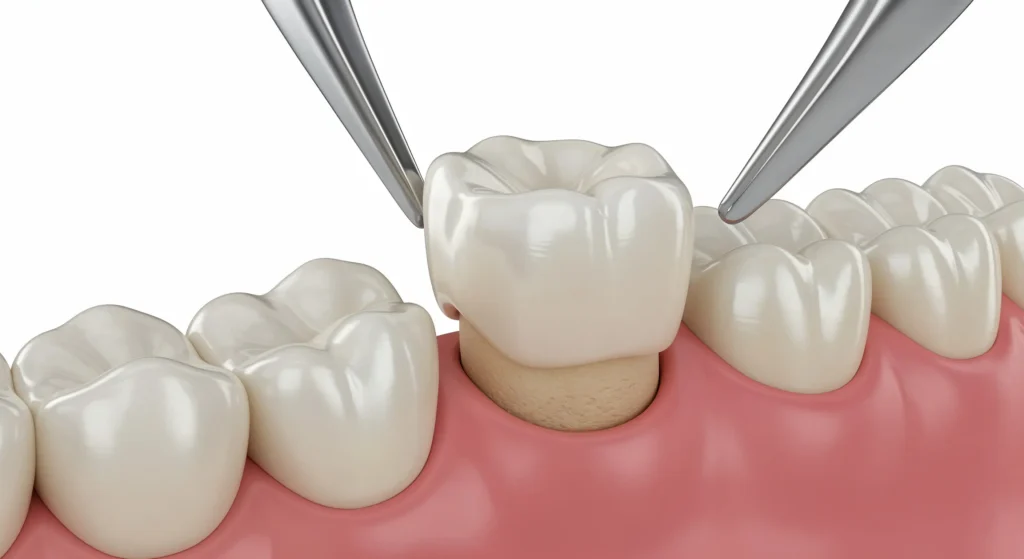
A tooth emergency has a way of shrinking your world fast. You can be standing in an airport security line, halfway through a beach holiday, or on a work trip with a packed schedule, and suddenly all that matters is the sharp pulse in your jaw or the broken edge of a tooth cutting into your tongue. Travel makes ordinary dental problems harder for one simple reason: the usual supports are gone. Your regular dentist is back home, your records are not within reach, and you may be navigating a different city, a different language, or a different health system while in pain.
The good news is that many travel-related dental emergencies are manageable in the short term if you respond calmly and quickly. The better news is that a little preparation before a trip can save you hours of stress later. I have seen the difference that preparation makes. The travelers who fare best are rarely the luckiest ones. They are the ones who know what needs urgent treatment, what can wait a day, and how to buy time safely until an Emergency Dentist can see them.
What counts as a real tooth emergency when you are away from home
Not every dental problem needs same-day care, but some do. Pain is one clue, though it is not the only one. A cracked filling that feels odd but does not hurt may be annoying rather than urgent. A knocked-out adult tooth, a swelling near the gumline, uncontrolled bleeding, or pain that keeps building despite over-the-counter medication are different matters entirely.
One of the most common mistakes travelers make is waiting too long because they hope the pain will settle. Dental pain often behaves badly on the road. Dry cabin air, pressure changes during flights, missed meals, dehydration, alcohol, and poor sleep can make a borderline tooth flare into a true emergency. If the pain wakes you at night, spreads into your ear or face, or comes with swelling or fever, do not treat it as a minor inconvenience.
There is also a difference between a nuisance and a threat. A lost crown the day before a meeting can feel disastrous, but if the underlying tooth is intact and you can keep it clean, it may not require a midnight search. A swelling inside the mouth or along the jawline is more concerning, especially if it seems to enlarge over a few hours. Infection in the mouth can move quickly, and travel often delays care.
The first hour matters more than most people think
The most useful thing you can do in the first hour is keep the problem from getting worse. That usually means controlling bleeding, protecting the injured tooth or surrounding tissue, reducing swelling, and avoiding improvised fixes that create more damage.
Rinsing gently with warm salt water helps in several scenarios. It can clear debris after a crack, soothe irritated tissue, and keep an area cleaner until treatment. Warm, not hot, is the key. Heat can intensify inflammation. If there is facial swelling, a cold compress on the outside of the cheek for brief intervals is usually more helpful than anything placed directly inside the mouth.
Pain relief deserves some judgment. If you normally tolerate ibuprofen or acetaminophen and have no medical reason to avoid them, they can make a rough travel day far more manageable. Taking more than directed is not a shortcut. It is just a way to add a medication problem on top of a dental one. Another common but outdated move is placing aspirin directly on the gum or tooth. That can burn the soft tissue and leaves you with a more painful mouth.
If a tooth has broken and left a sharp edge, cover it temporarily with dental wax if you have it. Sugar-free gum can work in a pinch for a few hours, though it is not ideal. If a filling has come out, temporary dental filling material from a pharmacy can help protect the cavity short term. The point is not to perform dentistry on yourself. The point is to shield the area so eating, speaking, and getting to care become possible.
When you should seek an Emergency Dentist right away
Some situations warrant immediate professional help, even if you are in transit or far from your hotel. If you can access an Emergency Dentist, do it sooner rather than later when any of the following are present:
- An adult tooth has been knocked out, especially within the first 30 to 60 minutes.
- Swelling is increasing, or you have fever, trouble swallowing, or trouble opening your mouth.
- Bleeding does not stop after steady pressure for about 10 minutes.
- Pain is severe, constant, and not relieved by appropriate over-the-counter medication.
- You have facial trauma, a possible jaw injury, or a deep crack that exposes the inner tooth.
That last point is worth pausing on. Travelers sometimes assume a broken tooth is only a cosmetic issue. It is not. When the inner layers of a tooth are exposed, cold air, sweet foods, and pressure can trigger intense pain, and bacteria gain easier access. A small crack can also split further under chewing forces, especially if you keep using that side of your mouth.
The knocked-out tooth scenario
If there is one emergency where minutes truly matter, this is it. A knocked-out adult tooth has the best chance of being saved if it is handled correctly and seen quickly. Pick it up by the crown, which is the chewing surface or visible part, not the root. If it is dirty, rinse it gently with saline or milk if available, or clean water for a second or two. Do not scrub it. Do not wrap it in a tissue. Do not let it dry out.
If the person is alert and it is safe to do so, the tooth can sometimes be placed back into the socket and held there gently while heading for care. If that is not possible, keep it moist in milk or in saliva inside the cheek if the injured person is old enough not to swallow it. Then get to an Emergency Dentist immediately. For children, there is an important distinction: a baby tooth that is knocked out is not typically replanted. That needs a dentist’s guidance, but the response differs from an adult tooth.
I have watched this play out both ways. The worst outcomes often start with a well-meaning person wrapping the tooth in a napkin and putting it in a pocket. It feels protective, but drying is exactly what you want to avoid.
Cracks, chips, and broken restorations on the road
Not all fractures are equal. A tiny chip with no pain can sometimes wait until you get home. A crack that hurts when you bite down, a broken filling that traps food, or a crown that has come off during a meal deserves more attention. These are common travel problems because people change their routines. They snack more, chew ice, grind their teeth in unfamiliar beds, or put off care before a trip and hope for the best.
If a crown comes off and you can retrieve it, keep it. Occasionally it can be recemented if it is intact and the tooth underneath is sound. Clean it gently and store it in a small container. Do not use household glues. Temporary dental cement from a pharmacy can sometimes hold a crown in place short term, but only if it slips on easily and without force. If it does not seat naturally, stop trying. Forcing it can damage the tooth or trap the bite in the wrong position.
A cracked tooth is trickier because the pain can be inconsistent. Travelers often say, “It only hurts when I bite in a certain way.” That can still indicate a meaningful fracture. Avoid chewing on that side, choose soft foods, and get it examined soon. Delayed care sometimes turns a repairable crack into a tooth that needs root canal treatment or extraction.
Swelling is the red flag people underestimate
Pain gets attention. Swelling often gets rationalized. Someone says they have “just a little puffy gum” or “a tender spot near the back molar,” and then twelve hours later one side of the face looks visibly larger. Swelling may suggest infection, trauma, or both. On a trip, with flights, long drives, alcohol, and irregular hydration, swelling can progress in ways that feel surprisingly fast.
If you have gum swelling around a painful tooth, swelling under the jaw, fever, a bad taste draining into the mouth, or increasing difficulty swallowing or breathing, seek urgent medical or dental care. An Emergency Dentist is ideal, but if breathing or swallowing are affected, go to an emergency department. Dental infections are not always isolated to the tooth. That is the central risk.
This is also where travelers go wrong with antibiotics. If a physician or dentist prescribes them, take them as directed, but do not assume antibiotics are the full solution. They may reduce the infection burden, yet the tooth usually still needs treatment. Pain often returns if the underlying problem is left untouched.
How to find help in an unfamiliar place
The search itself becomes harder when you are tired and hurting. Start with your hotel front desk or host if you are in a city. They often know which local clinics see urgent dental cases and which ones work with travelers. In many places, hotel staff keep a short list specifically for this reason. If you are attending a conference, ask the event organizer as well. They usually have local medical contacts.
If you are in a more remote area, telehealth can help bridge the gap. A call with your regular dentist may not solve the problem, but it can clarify urgency, guide pain control, and help you decide whether to cut the trip short. Travel insurance hotlines can also be useful, especially internationally, because they may direct you to a clinic that can provide documentation and acceptable billing for reimbursement.
When you call a clinic, be specific. Say whether there is swelling, trauma, bleeding, a broken tooth, or a knocked-out tooth. Mention whether you are flying soon. Pressure changes can make certain conditions worse, and some dentists will try to see you sooner if they know travel is imminent.
What to keep in a travel dental kit
A practical travel kit does not need to be elaborate. It needs to solve the most likely problems well enough to get you through a day or two safely.
- Ibuprofen or acetaminophen, if appropriate for you
- Dental wax or temporary filling material
- A small bottle of alcohol-free mouth rinse or salt packets
- Floss and a soft travel toothbrush
- Your dentist’s phone number and a photo of your dental insurance card
That last item is underestimated. I have seen travelers spend precious time trying to remember the office name of the dentist who placed a recent crown or implant. A quick phone call from a local clinician to your home office can clear up questions about materials, recent work, or lingering sensitivity.
Flying with a dental problem
People often ask whether it is safe to board a plane with a toothache. Sometimes yes, sometimes not. The issue is not that planes cause dental emergencies out of nowhere. The issue is that cabin pressure changes can intensify pain in a tooth with existing inflammation, deep decay, or a trapped pocket of air under a filling. The result can be anything from a dull throb to severe, pulse-like pain during ascent or descent.
If the pain is mild and there is no swelling, no fever, and no recent trauma, many people can fly with careful pain management and soft foods. If you have visible swelling, severe pain, or a recently knocked-out or deeply broken tooth, flying is a poor gamble if timely care is available before departure. A two-hour delay on the ground is often better than worsening pain at 35,000 feet with limited options.
Chewing gum during takeoff and landing is not a treatment, but keeping the mouth from becoming dry can help comfort. So can drinking water consistently. Alcohol and very sugary snacks are common travel habits that make a bad mouth feel worse.
Food, drinks, and habits that make things harder
A dental emergency changes what “normal” eating looks like for a day or two. Soft, lukewarm foods are your friend. Yogurt, eggs, oatmeal, rice, pasta, soup that is not too hot, and smoothies without seeds often work well. Crunchy bread, nuts, hard candy, steak, and anything very sticky are trouble for damaged teeth and loose crowns.
Temperature matters more than people expect. A cracked or inflamed tooth can react dramatically to iced coffee or a cup of very hot tea. Travelers sometimes think the pain is random when it is actually tied to thermal sensitivity. Switching to room-temperature drinks for a day can make a real difference.
Grinding and clenching also surge during travel, especially on red-eye flights and stressful work trips. If you already wear a night guard, pack it. It may protect a fragile tooth from turning into a major problem overnight.
Children, older adults, and other special cases
Family travel adds another layer. Children fall, bite pool edges, collide on hotel tiles, and discover their pain all at once. If a child chips a tooth, the age matters because treatment differs for baby teeth and adult teeth. When parents are unsure which it is, sending a clear photo to a dentist can sometimes help triage. For a knocked-out permanent tooth in an older child or teen, the same urgency applies as for adults.
Older adults may have crowns, bridges, implants, dentures, and dry mouth from medication. Dry mouth increases cavity risk and can make sore tissue feel much worse while traveling. Denture sores can become surprisingly painful if a fit changes or food gets trapped under pressure points. A little irritation on day one can become a raw ulcer by day three. For these travelers, removing appliances at night, cleaning them carefully, and not “powering through” discomfort usually prevents a minor issue from escalating.
People with diabetes, immune compromise, or a history of serious infections should have a lower threshold for seeking care when dental swelling appears. The same infection that a healthy adult might monitor for a short window can become a more urgent problem in these groups.
Documentation, payment, and insurance without the usual chaos
The administrative side of a travel emergency is never the part anyone wants to think about, but it helps to be prepared. Keep photos of your insurance information, identification, recent dental X-rays if you have easy access to them, and a current medication list on your phone. If you are traveling internationally, know whether your plan reimburses out-of-network dental care or requires upfront payment. Many clinics that treat travelers expect payment at the visit.
Ask for copies of treatment notes and any X-rays taken. If the trip ends before https://lukasdezb887.scriblorax.com/posts/can-an-emergency-dentist-perform-a-same-day-extraction treatment is finished, those records help your home dentist pick up where the temporary care stopped. They also reduce repeated imaging and repeated explanations. A good temporary fix in one city followed by definitive care back home is a normal and reasonable pathway.
The small problems that are not emergencies, but still deserve respect
Sometimes the best travel dental advice is simply not to overreact. Food trapped between teeth can mimic a toothache. Flossing carefully can solve it. Minor sensitivity after whitening strips, a tiny rough edge on a tooth, or mild gum irritation from aggressive brushing may be manageable with a softer routine until you return.
The line to watch is progression. If the discomfort is stable or fading, you likely have some room. If it is escalating, especially over hours rather than days, assume it wants attention. Dental issues rarely improve because a person is stoic. They improve because the cause is simple, or because someone intervenes before it becomes complex.
The best emergency strategy starts before the suitcase closes
Most travel tooth emergencies do not come out of nowhere. They often begin as the filling that felt “a little off,” the crown that was loose once, the wisdom tooth that flared last month, or the deep cavity that seemed manageable after one good day. If you are planning a major trip, especially international travel, a pre-trip dental check is one of the more useful errands you can run. It is not glamorous, but it is practical. Long flights, weddings, hiking trips, diving holidays, and business presentations all become easier when your mouth is not one bite away from trouble.
If you know you have a vulnerable tooth and cannot complete treatment before departure, ask your dentist direct questions. What symptoms mean I should seek an Emergency Dentist? Is flying likely to make this worse? What temporary materials should I bring? Can you give me a copy of my recent X-rays? That ten-minute conversation is often more valuable than an hour of internet searching after the pain starts.
Travel exposes weak points. Teeth are no exception. When a dental emergency interrupts a trip, the goal is not heroics. It is calm assessment, sensible first aid, and timely professional care. Handle the first hour well, know when to escalate, and get the right records and follow-up. That is how a miserable interruption stays a detour instead of becoming the story that defines the entire journey.
Simple Dental Vermont
Address: 8914 S Vermont Ave, Los Angeles, CA 90044
Phone number: +13239493000
FAQ About Emergency Dentist Los Angeles CA
What can the ER do for a tooth?
The emergency room can provide temporary symptom relief for a bad tooth, such as prescribing pain medicine or antibiotics, but it cannot fix the actual dental problem.
What is the 3-3-3 rule for tooth infection?
The 3-3-3 rule for a toothache or infection typically means taking three 200 mg ibuprofen tablets (600 mg total) three times a day for no more than three days to control pain and swelling while waiting to see a dentist.
What do you do if you have a dental emergency but no dentist?
If you have a dental emergency and no regular dentist, you should search for an urgent care dental clinic, call local walk-in dental offices, or go to a hospital emergency room if you have severe bleeding, swelling, or trouble breathing.